
Which battery does your trolling motor need?
Two decisions: match the voltage to your motor, then pick enough amp-hours for your day on the water. Here's the whole answer, plus the exact batteries we'd put on our own boats.
Step 1 — Voltage is decided by your motor
Check the thrust rating on your motor (or its spec sticker). Thrust maps directly to system voltage across every major brand — Minn Kota, MotorGuide, Garmin Force, Lowrance Ghost:
| Motor thrust | System voltage | Typical boats |
|---|---|---|
| 30–55 lb | 12V | Jon boats, skiffs |
| 68–80 lb | 24V | 18–25 ft center consoles |
| 101–115 lb | 36V | 25 ft+ center consoles |
Step 2 — Amp-hours decide how long you fish
Rule of thumb: at the 30–50% throttle most people actually troll at, a 100Ah battery runs a full fishing day. On a 36V system, 50Ah covers a casual half-to-full day of intermittent use — but heavy spot-lock in wind or long trolling runs call for 100Ah; a 112 lb motor at full throttle pulls ~50A, which empties a 50Ah battery in under an hour. Lithium (LiFePO4) is the right chemistry either way — roughly half the weight of lead-acid, usable down to nearly full depth of discharge, and thousands of cycles instead of hundreds.
Our picks
We recommend LiTime's trolling-motor line — dedicated-voltage batteries (no series wiring to get wrong), proven BMS, and a 5-year warranty, at prices well under the boutique brands. Each battery page has full specs, the matching charger, and a buy link — purchases complete on LiTime's own store, and they ship and support the battery directly.
Disclosure: we may earn a commission on battery purchases made through our links, at no extra cost to you. We recommend these because they're what we'd run ourselves.
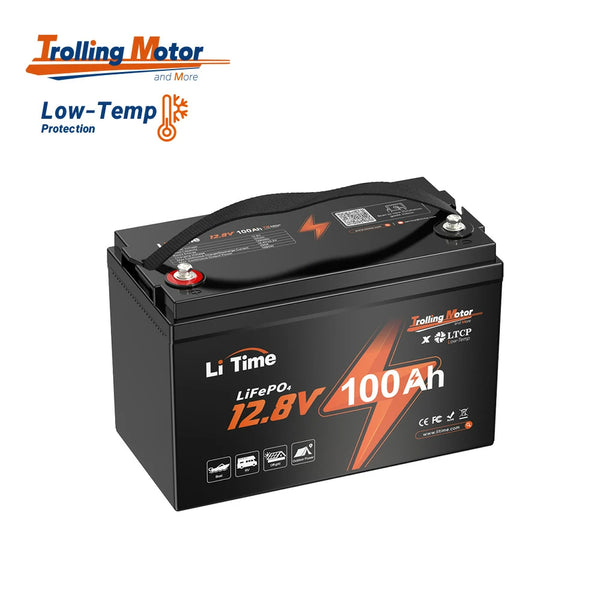
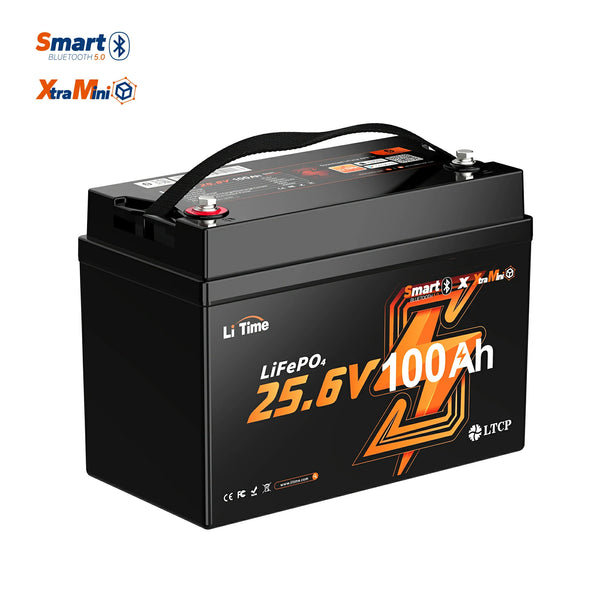
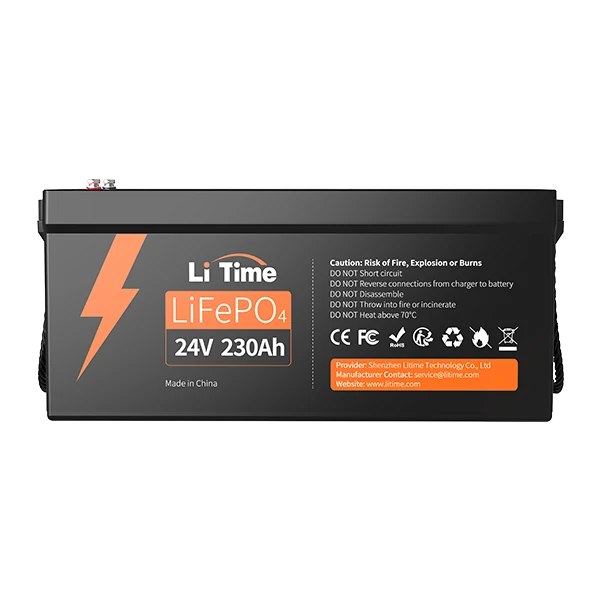
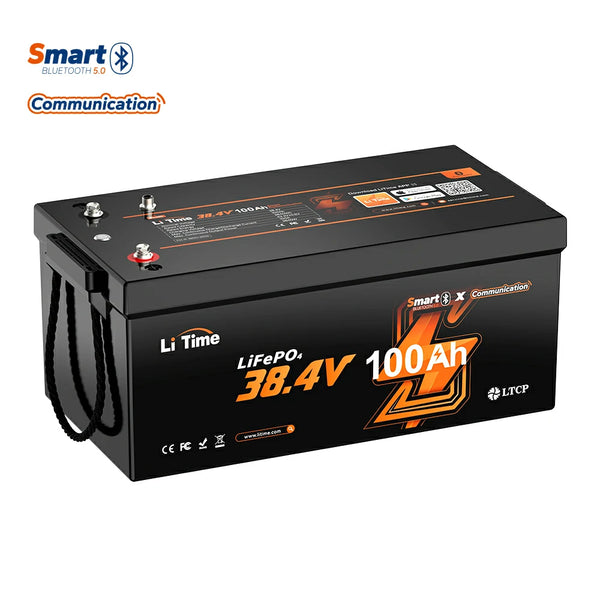
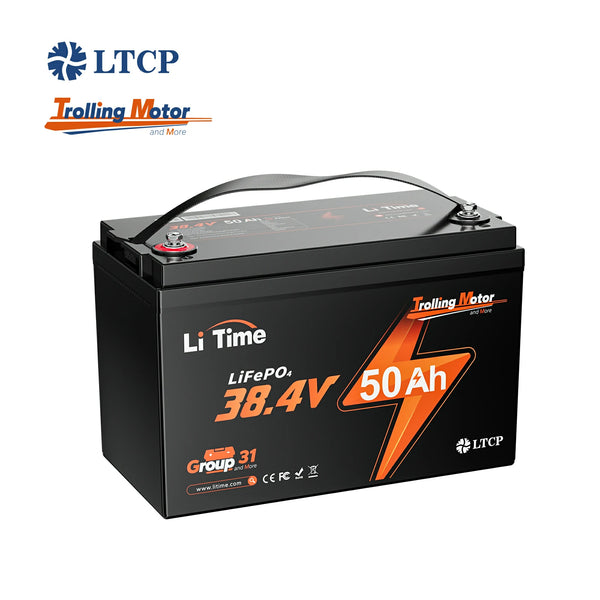
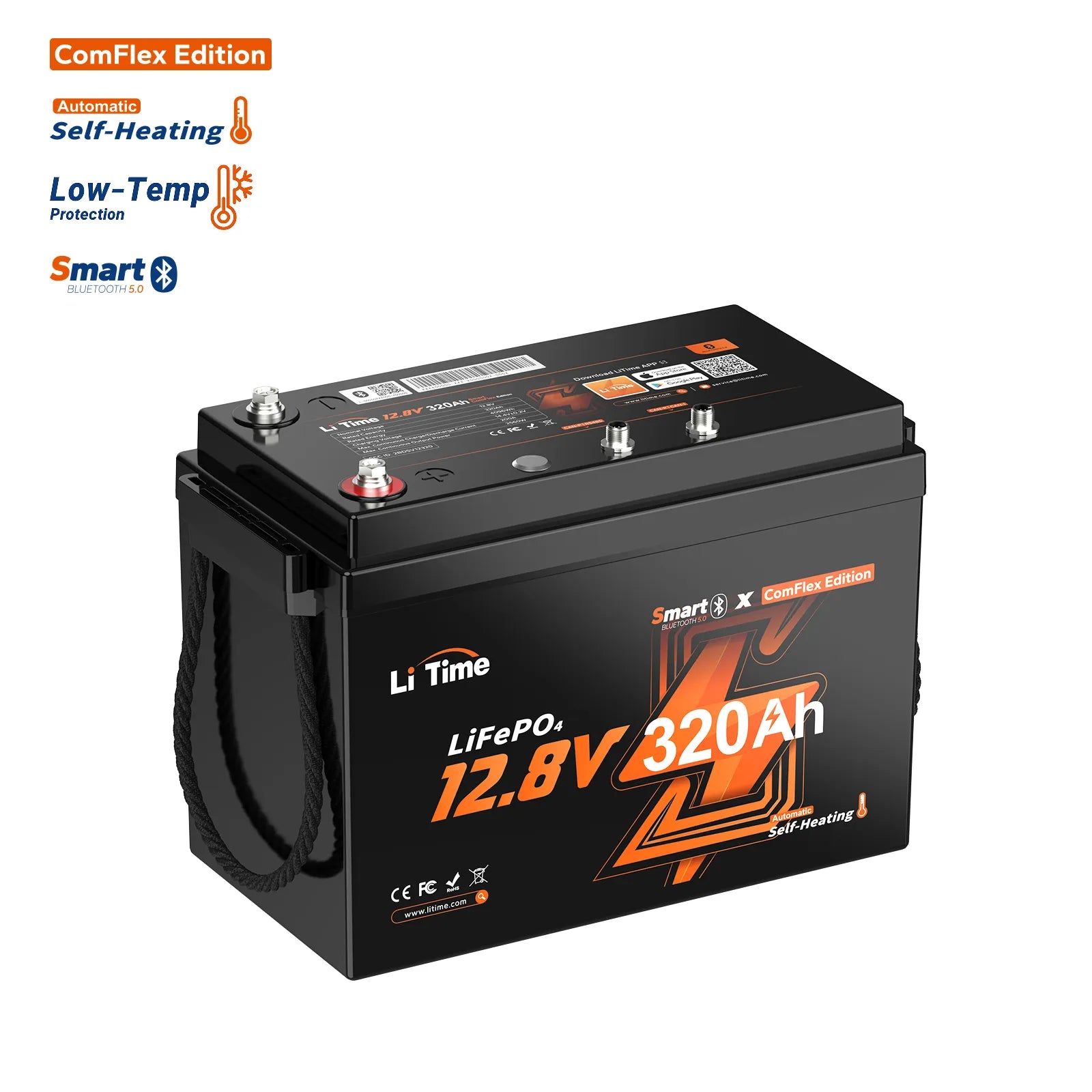
Need more runtime? Two ways to get it
Option 1 — one bigger battery (usually the right answer). A single 100Ah or 200Ah battery means one set of terminals, one thing to charge, nothing to wire wrong. That's why our picks lean this way. The trade-off is case size: the big-capacity units are Group 8D, which won't fit a Group 31 tray — measure first.
Option 2 — two identical batteries in parallel. Parallel keeps the voltage the same and adds the amp-hours: two 24V 100Ah in parallel make a 24V 200Ah bank that still fits in two standard Group 31 trays. LiTime officially supports up to 4 identical units in parallel. The rules that make it safe:
- Identical batteries only — same brand, model, capacity, and BMS rating, ideally bought within a month of each other. Never mix old and new.
- Charge each to full separately first, so they start at the same state of charge before you connect them.
- Positive-to-positive, negative-to-negative — and take the motor leads off opposite corners of the bank (positive from one battery, negative from the other) so both batteries share the load evenly. Crossing into series (+ to −) doubles voltage instead and can destroy a motor.
- Equal-length, properly sized cables and a fuse on each battery's positive — same MRBF/Class T rule as a single battery, once per battery.
LiTime's own series-vs-parallel guide covers the details. If any of this feels uncertain, buy the bigger single battery — it's the same money and there's nothing to get wrong.
Two things people get wrong
- Your existing charger probably won't work. A 24V or 36V lithium battery needs a LiFePO4 charger of the matching voltage — a standard 12V-bank onboard charger cannot charge it. Buy the matching charger with the battery.
- Fuse the positive lead. Put a properly sized fuse (MRBF terminal fuse or Class T) within inches of the battery's positive terminal, and secure the battery in a strapped tray or box — not loose in the bow locker.
- You don't need a battery tender. Unlike lead-acid, LiFePO4 self-discharges only ~2–3% per month, and trickle charging isn't recommended for it. For off-season storage, charge to about 50–80%, disconnect, and store — the matching smart chargers (linked on each battery page) handle maintenance automatically whenever they're connected.
Mounting the motor itself?
Our reversible aluminum bow plate fits virtually every center console and both 4-bolt and 6-bolt puck patterns.
View the trolling motor mount